Concrete contractor in Palo Alto - driveways and slabs built around mature trees
Premier Atherton Concrete is a small concrete contractor based in Atherton, CA, building driveways, patios, walks, steps and foundations for Palo Alto homes, planned around each lot's trees, drainage and street.
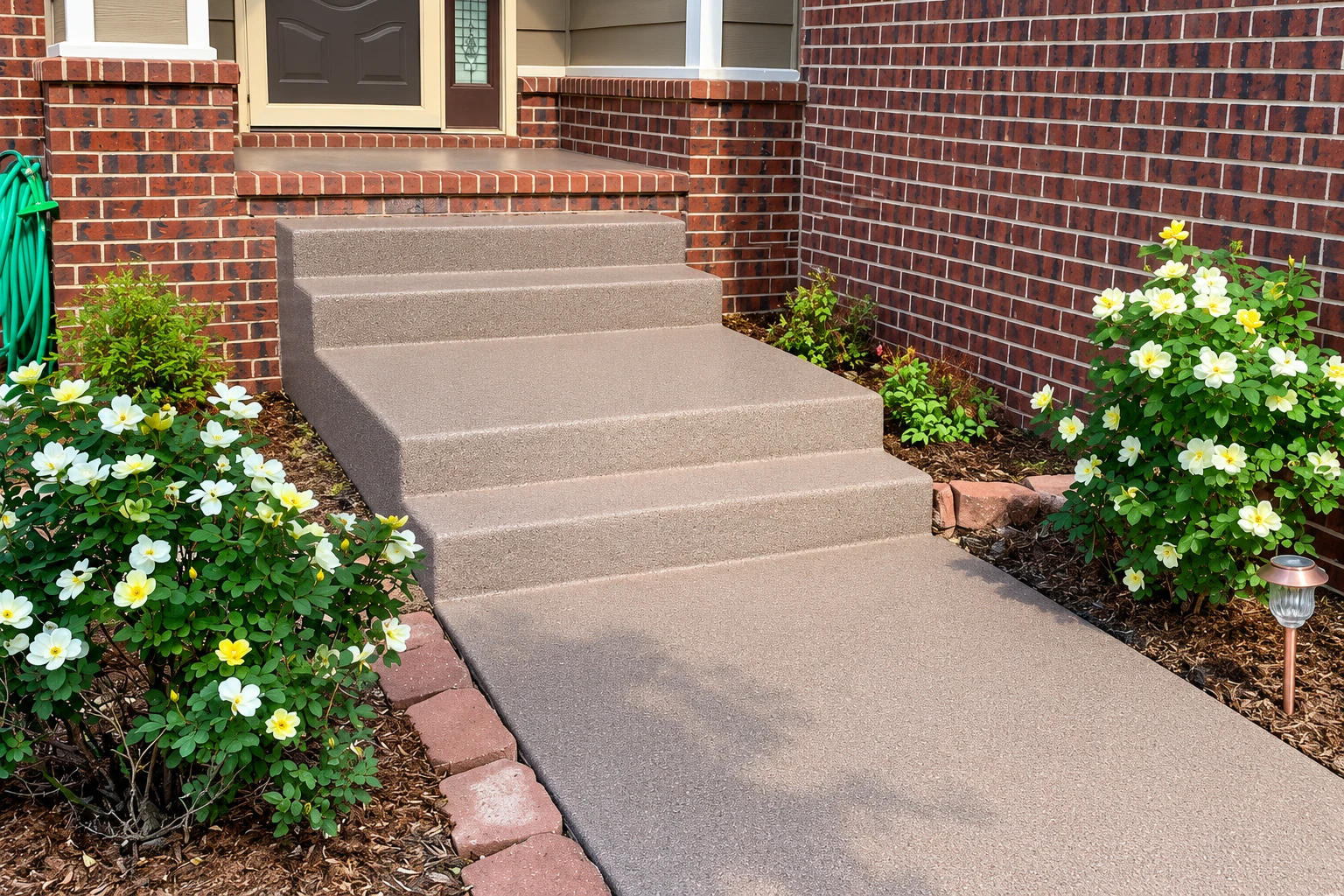
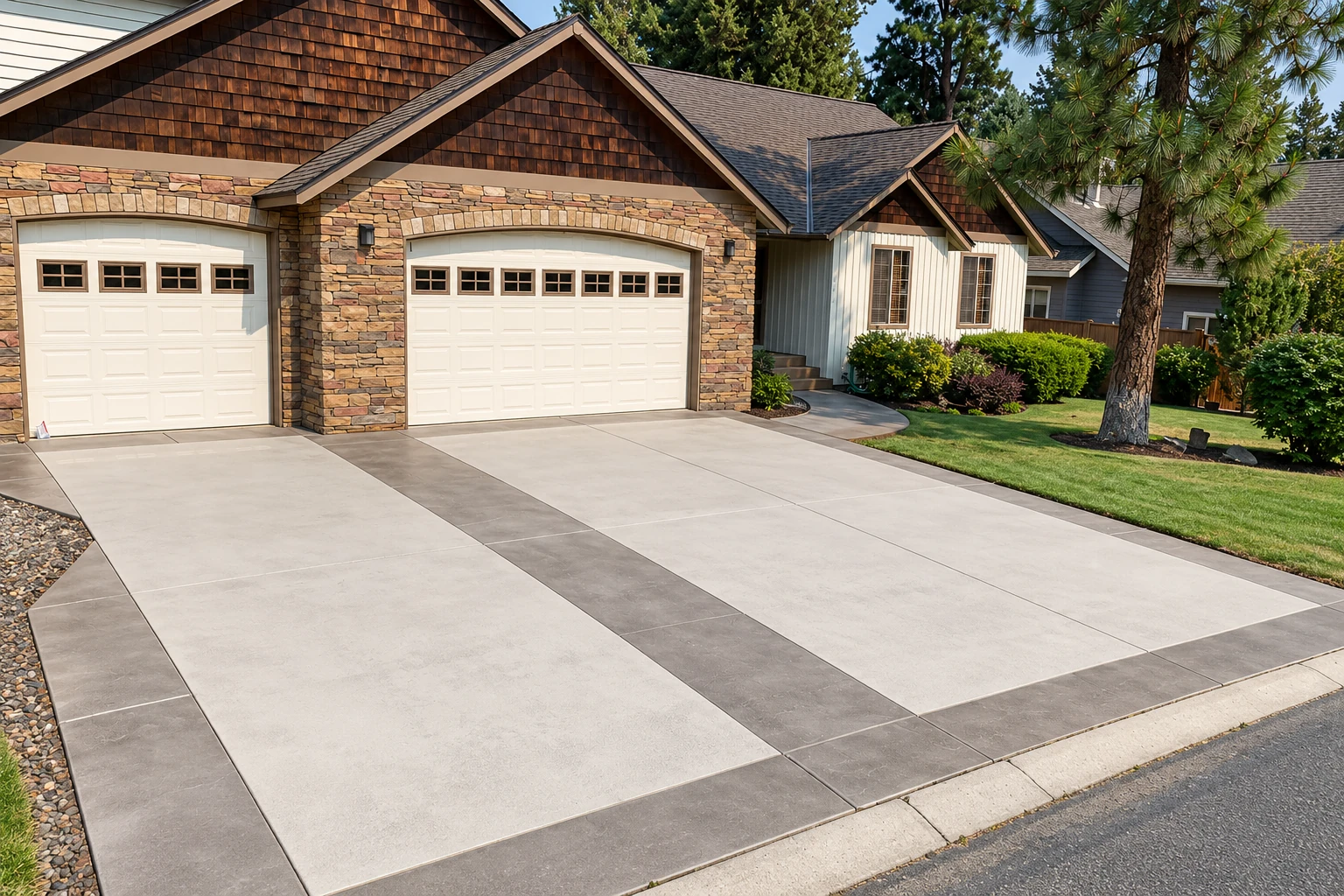
Concrete work on Palo Alto lots
Palo Alto is just down the road from our base in Atherton. The calls we get there are usually about older driveways, walks and patios that big trees have lifted or that have settled where water sits. Most lots are flat and a lot of houses sit close to the street, so there's not much slope to carry water off a slab and not much room for the truck. We see the same kind of work next door in Menlo Park and East Palo Alto, and farther up the Peninsula in San Mateo.
The price moves with how much old concrete comes out, how deep we dig to reach firm soil, how we deal with roots and runoff, and the finish you pick. The schedule turns on whether the city wants a permit and on curing, the wait before a new slab can take your weight or your car. I walk the job with you and give you the estimate in writing. On flat lots under old trees, the ground work nobody sees later is what decides how the slab holds up.
What we pour in Palo Alto
Concrete driveway building
Where street-tree roots have lifted an old driveway, we take it out, deal with the roots, dig down to firm ground and pour it fresh.
Concrete patio construction
Backyard patios on flat lots tend to hold water, so we set the slab to fall away from the house before the crew pours.
Stamped concrete services
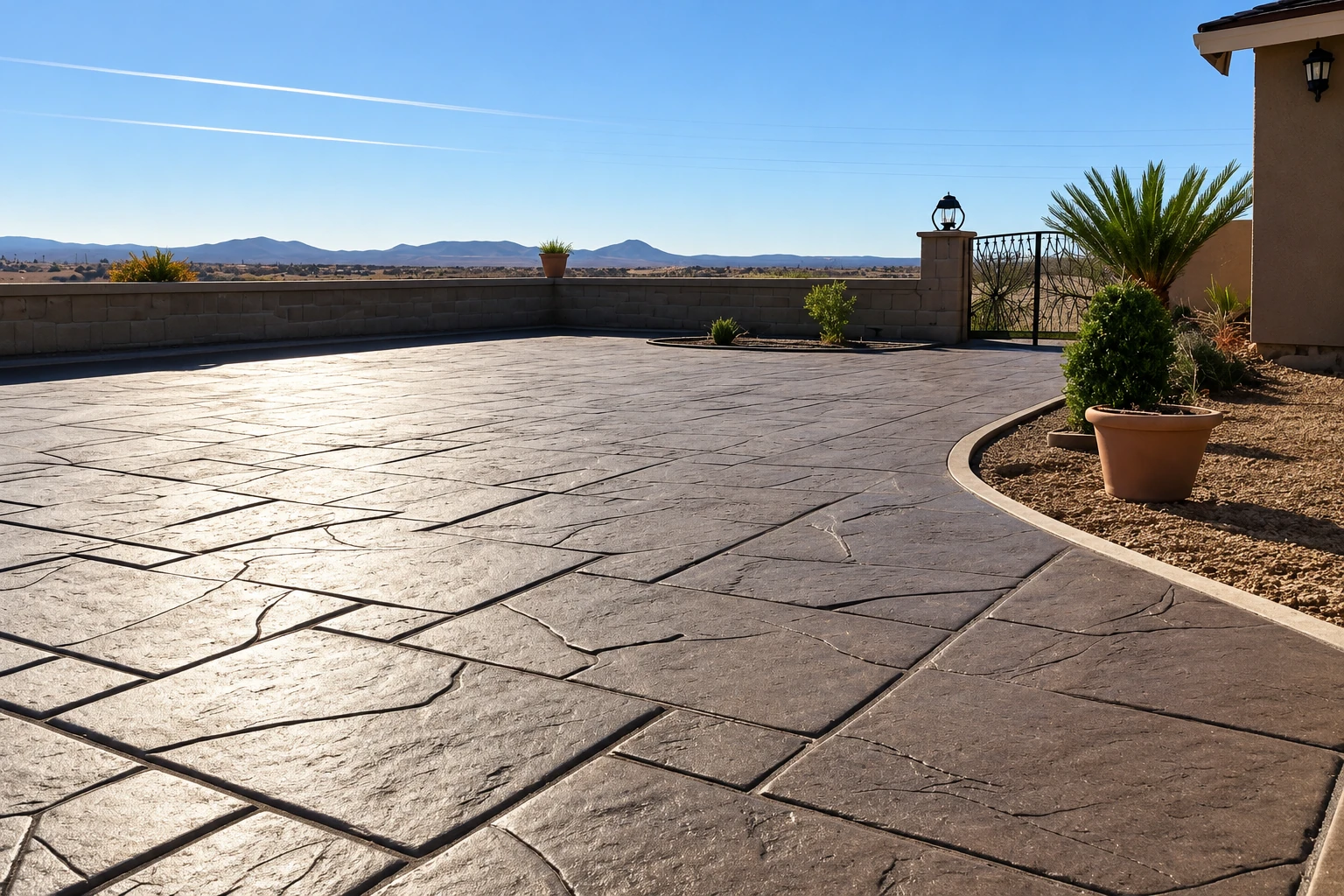
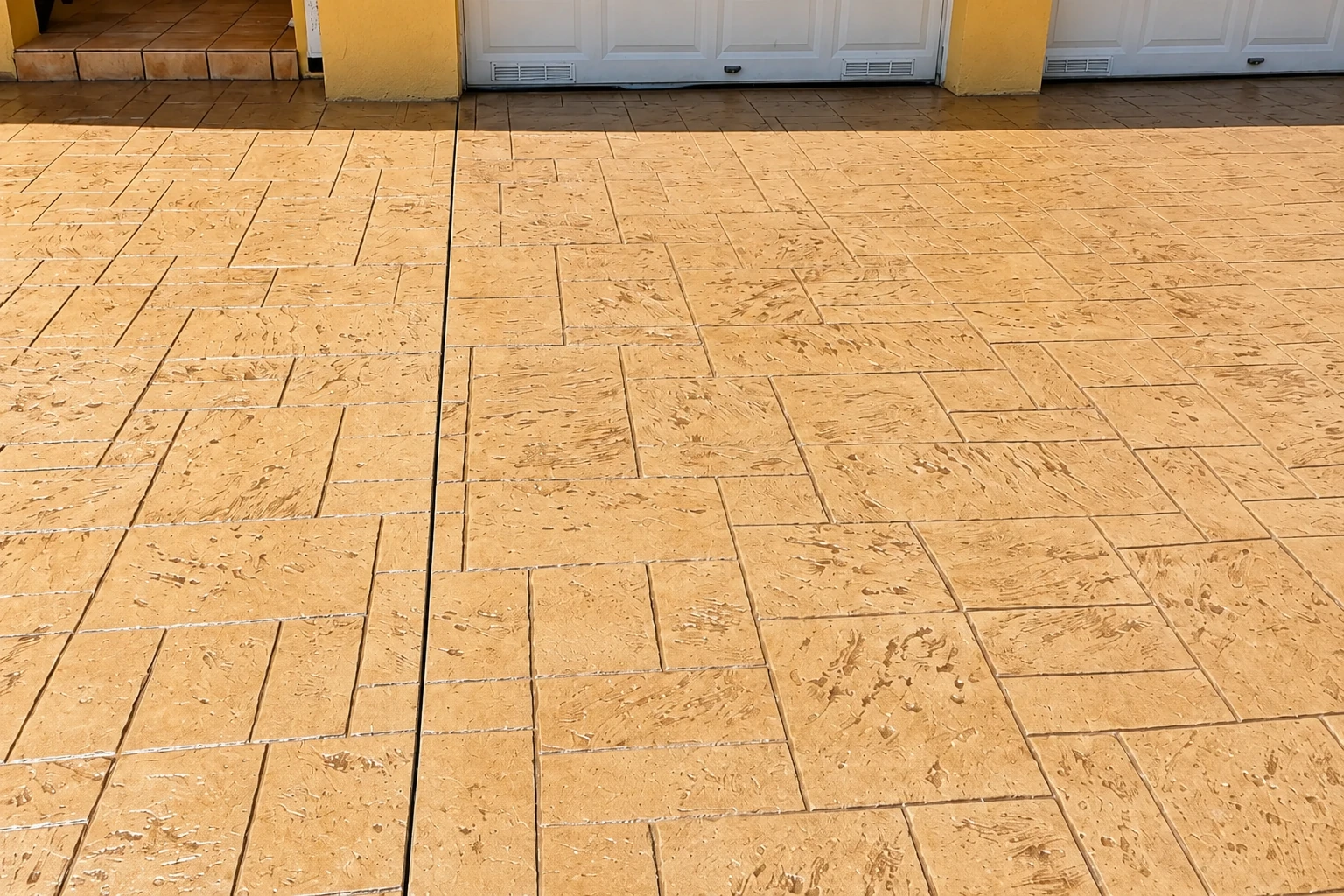
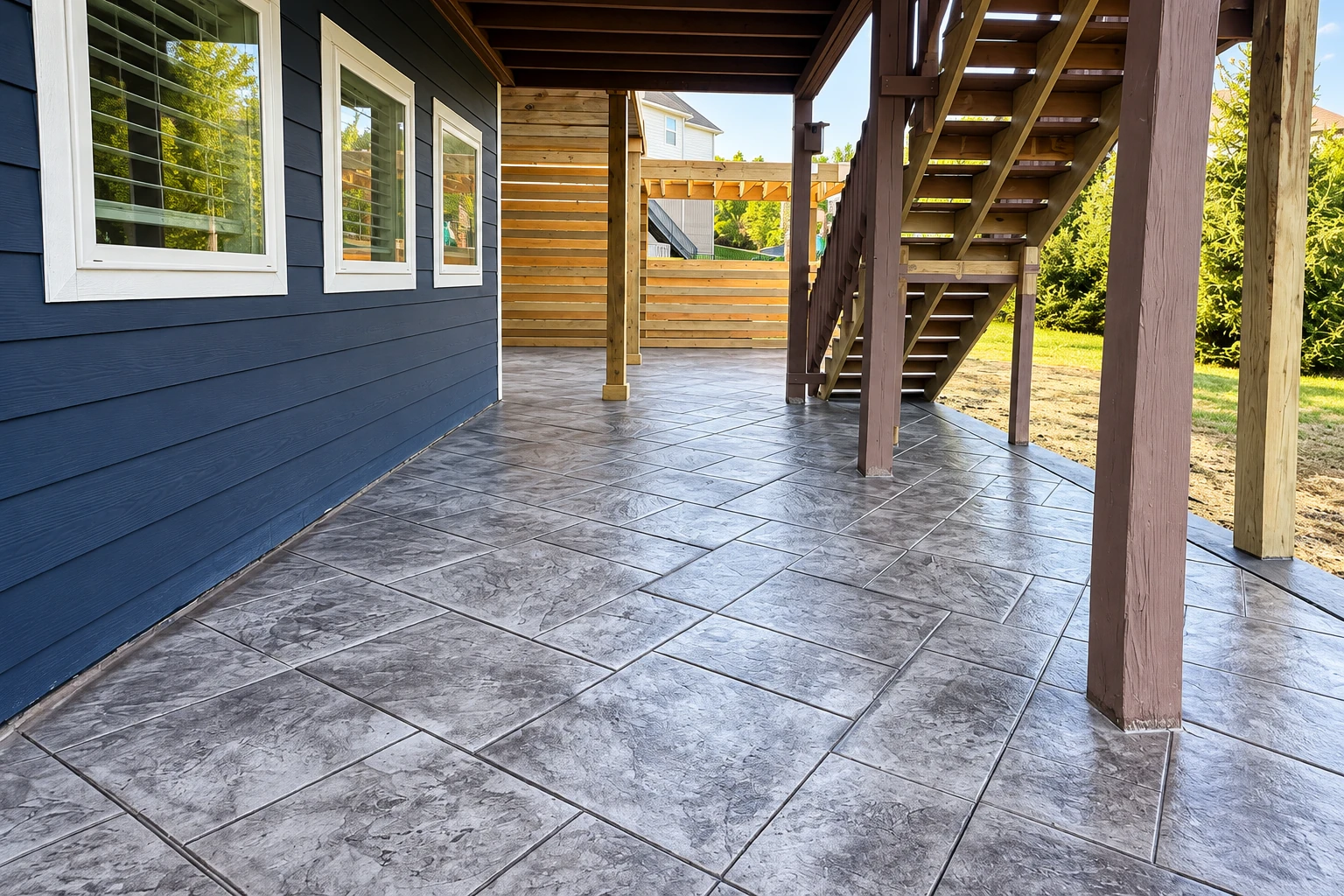
Stamped concrete gives a patio or walk the look of stone or brick, and we help pick a pattern that suits an older house.
Concrete sidewalk building
A front walk heaved by roots is a trip waiting to happen. We replace the raised panels and cut control joints, grooves that steer where a crack goes.
Garage floor concrete
We break out cracked, stained garage floors in older houses, fix the base under them and pour a new floor that sheds water toward the door.
Decorative concrete
For an entry that faces the street, a colored or scored finish dresses it up, and the base under it still gets the same dig-out and packing.
Concrete retaining walls
On a flat lot, a raised bed or a grade change by the driveway still needs a real wall, with a footing and drainage so water doesn't push it over.
Concrete floor installation
For a studio or addition out back, we pour an interior slab over a vapor barrier, a plastic sheet that helps keep ground moisture out of the floor.
Concrete pool decks
In a tight backyard, we slope the deck away from the house and the pool and give it a textured top that's easier on wet feet.
Concrete steps construction
Front steps on older houses here have often settled away from the porch. We form new ones on a proper footing so each rise is even.
Slab foundation building
A new house or backyard unit on flat ground can sit on a slab foundation, and we take our time on the subgrade, the packed soil under it.
Foundation installation
When an older house or an addition needs a new foundation, we plan the dig around the trees, the neighbors and the street before anything moves.
Concrete parking lot building
Small lots behind Palo Alto shops, offices and apartments take heavier traffic than a driveway, so we pour them thicker and plan where runoff goes.
Concrete footings
Decks, fences and garden walls need footings, the concrete pads that carry the weight, and near big trees we dig carefully around the roots.
Foundation raising
If a corner of an older house has settled and doors stick, we find out why first, usually water or soft soil, before raising that section.
Concrete cutting
We saw-cut clean lines in old slabs for a drain line, a new walk or a root repair, so the part you keep stays whole.
How do you know your Palo Alto concrete needs work?
On older Palo Alto lots, roots and standing water work on a slab slowly, so these signs usually show up long before a slab fails outright.
- Cracks that keep getting wider
- A panel lifted by tree roots
- Water pooling on the slab
- Slab sloping toward the house
- A chipped, dusty or flaking top
- Steps pulling away from the porch
If you're seeing one of these, call or send the form and I'll come look, tell you what I think is causing it and what fixing it involves.
Should you repair the slab or replace it?
On a Palo Alto job I look at what's under the concrete before what's on top, because a sound base can carry a repair and a failed one can't.
When a repair is enough
If the slab is still level and the cracks are thin and not growing, the base under it is probably doing its job. We can cut out a bad section or a root-lifted panel and pour it back without tearing out the rest.
When replacing makes sense
If the slab has sunk, tips water toward the house or is broken across most of its face, the ground under it has usually failed. Patching that just covers the problem, so we take it out, rebuild the base and pour new.
What Palo Alto ground asks of a slab
I still walk each job myself and our own crew does the work, so the person who planned your base is the one answering for how it was built.
Base first, finish second
If the budget's tight, I'd trim the finish before the dig-out and packing, because nobody can fix a base after the pour.
Water sent away from walls
Flat lots don't drain on their own, so we check where the water runs and slope the slab away from your walls.
Planned around roots and street
Before we form, we look at roots, the street and where the truck can park, so pour day isn't a scramble.
A straight answer on cracks
Concrete shrinks and can crack, so we cut control joints early to steer cracks into straight lines instead of across your driveway.
Permits looked into first
We ask Palo Alto's Development Services office before quoting, and if a permit's needed, we apply and meet the inspector.
Talk through your Palo Alto concrete job
I answer the phone myself, seven days a week from 6 AM to 11 PM, so you can talk the job through before anyone comes out.
Other cities we work in
If your city has its own page below, start there, and if it isn't listed, call (650) 516-3703, since we work around the Peninsula and into the South Bay.